







Home

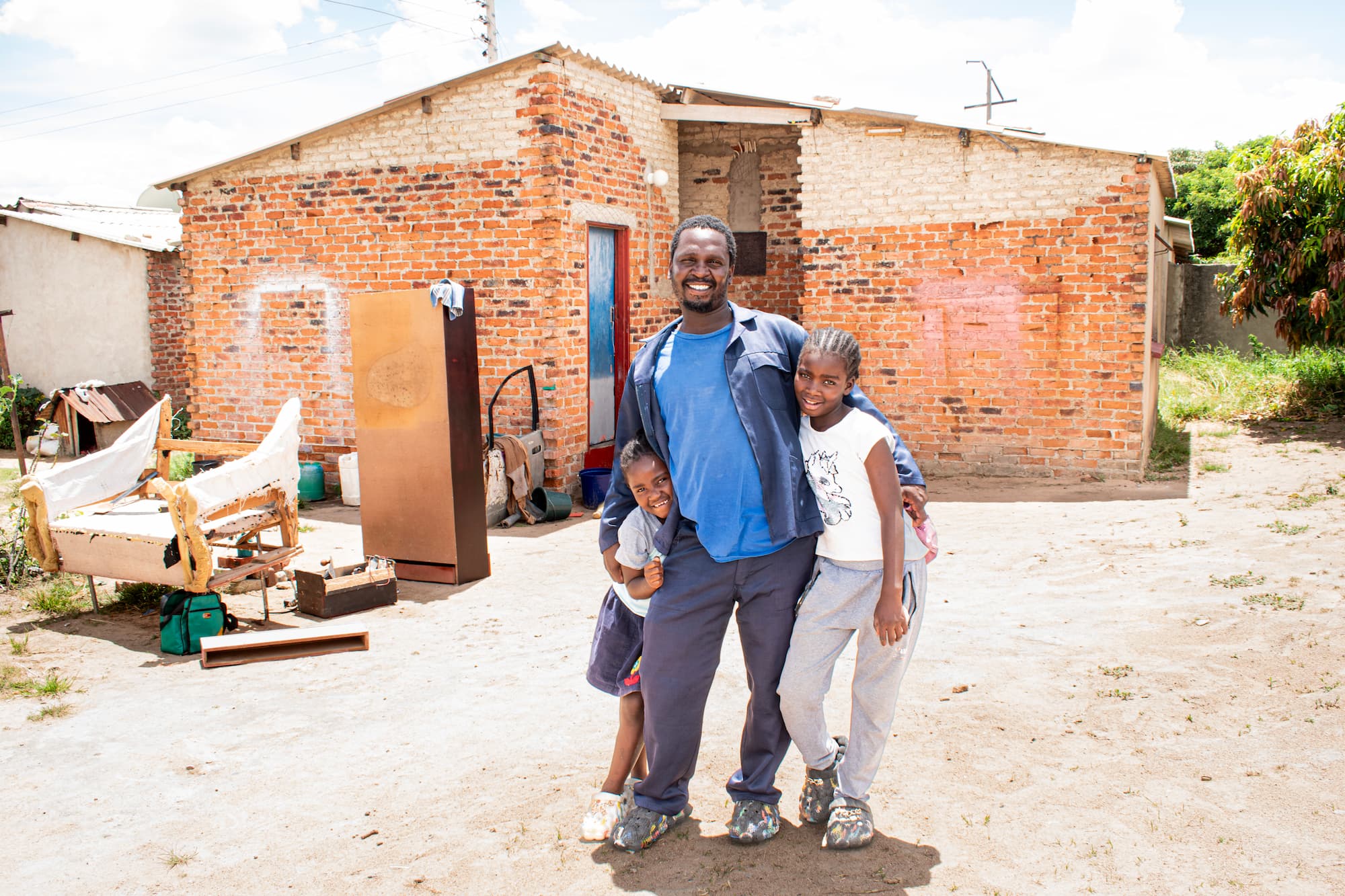
Children are among the most vulnerable members of any society—but in communities where poverty is present, the stakes are higher. Children are two times more likely than adults to live in extreme poverty. And when kids lack basic needs like food and shelter, it hurts their chances to stay healthy, learn at school, and someday live the lives they dream of (UNICEF). As of 2024, 412 million children are living on less than $3 per day (World Bank).

Yet we know that God cares deeply about kids. The question is, how do we protect them from the impacts of poverty and equip them with what they need to lead healthy, flourishing lives? 

At HOPE International, we believe one of the best ways to care for children living in poverty is to empower their parents. Here’s why investing in mothers and fathers unlocks transformation for their children and future generations.  Continue Reading…

In September 2025, SMEP Microfinance Bank, HOPE International’s microfinance institution in Kenya, officially joined forces with Clean Start Africa to, for the first time ever, offer microfinance services to formerly incarcerated women. We are thrilled to come alongside them with training, discipleship, and business loans as they re-enter their communities. 

Clean Start Africa is an award-winning social enterprise founded in 2015 by Teresa Njoroge, whose personal experience in Kenya’s prison system inspired its mission. Over the past decade, Clean Start Africa has supported over 4,000 women—both incarcerated and formerly incarcerated—through advocacy, vocational training, and reintegration programs. Their work also addresses systemic injustices and the socioeconomic challenges that often lead to imprisonment, especially among vulnerable groups.  Continue Reading…

When Sonia Solis first heard about Diaconía, HOPE’s microfinance partner in Paraguay, she was earning minimum wage at an office job and struggling to cover the basic needs of her four children.  

 But Sonia had a dream: running her own business from home so she could provide for her family and be present with them.   Continue Reading…

Since the full-scale invasion of Ukraine in February 2022, life has been unpredictable and precarious for Ukrainian families. Besides daily threats of missile strikes and disrupted power and water supply, men and women have also faced ongoing social and economic instability.  

Still, as HOPE Ukraine continues to work toward flourishing for all its clients, we have seen the Lord provide. This year, the team celebrated several major milestones since the war began!  Continue Reading…

In many countries where HOPE International works, entrepreneurs in the transportation sector are often overlooked by traditional financial institutions. For instance, a taxi driver who aspires to purchase his or her own vehicle might put in long hours to make ends meet, but without access to business loans, it can be a long or even impossible road to achieve that dream. 

That’s why HOPE is listening to the needs of those in this sector—and creating tailored services to help these entrepreneurs pursue their dreams.  Continue Reading…

Peter Greer

By Peter Greer, HOPE International’s president and CEO

A few years ago, I came across a sobering statistic: Only 1 in 3 leaders finish well.¹

The study defined finishing well as “walking with God in a vibrant personal relationship, developing the potential God has given to its appropriate capacity, and leaving behind an ultimate contribution that is both pleasing to God and established by Him.”

My first reaction was, “That’s not possible! Surely a higher percentage of leaders are finishing well!” But the more I reflected, the more I realized how many leaders I had admired—from a distance or up close—didn’t finish well, for one reason or another. Some stepped away from their callings. Others were taken down by burnout, pride, or poor decisions. Some failures made headlines, but other largely unobserved, less-than-faithful finishes happened to mentors, friends, and personal heroes I deeply respected. Slowly I began to realize this study wasn’t just true, it was personal.

If leaders I’ve deeply respected—men and women with more wisdom, spiritual depth, and commitment than my own—didn’t finish well, how could I avoid the path that led them off course? Continue Reading…