







Archives For Stories we love

Home » Stories we love

Poverty doesn’t just limit a child’s present—it threatens their future. Around the world, 412 million children are living on less than $3 per day, lacking the essentials they need to grow, learn, and thrive (UNICEF, 2025).  

And poverty’s impact goes far beyond income. Across six things a child needs to thrive—education, health, housing, nutrition, sanitation, and water—more than one in five children in low- and middle-income countries are severely deprived of at least two (UNICEF, 2025). 

Yet we know that God cares deeply about kids. So how do we protect them from poverty and provide what they need to lead healthy lives that set them up for bright futures?  

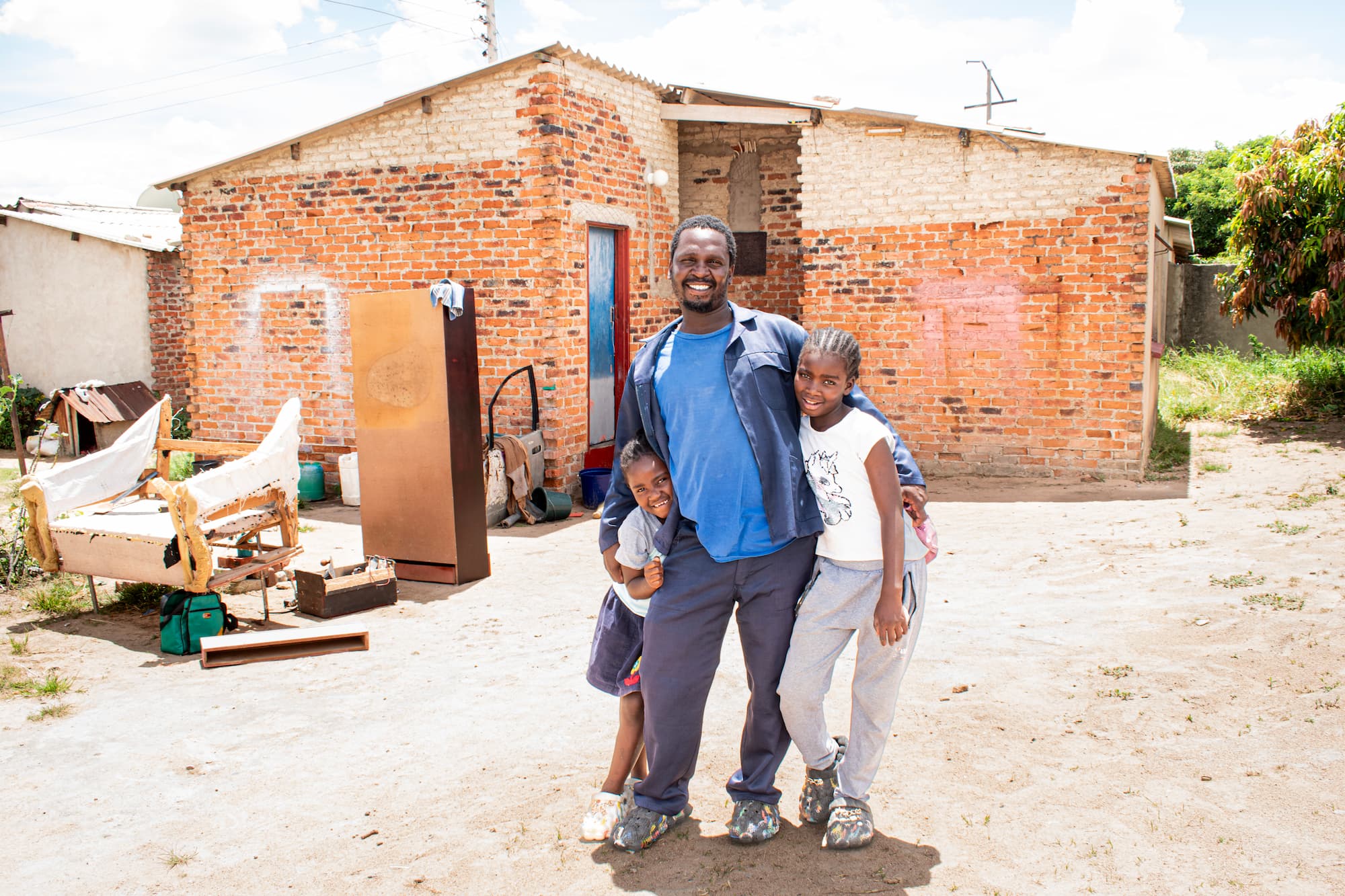
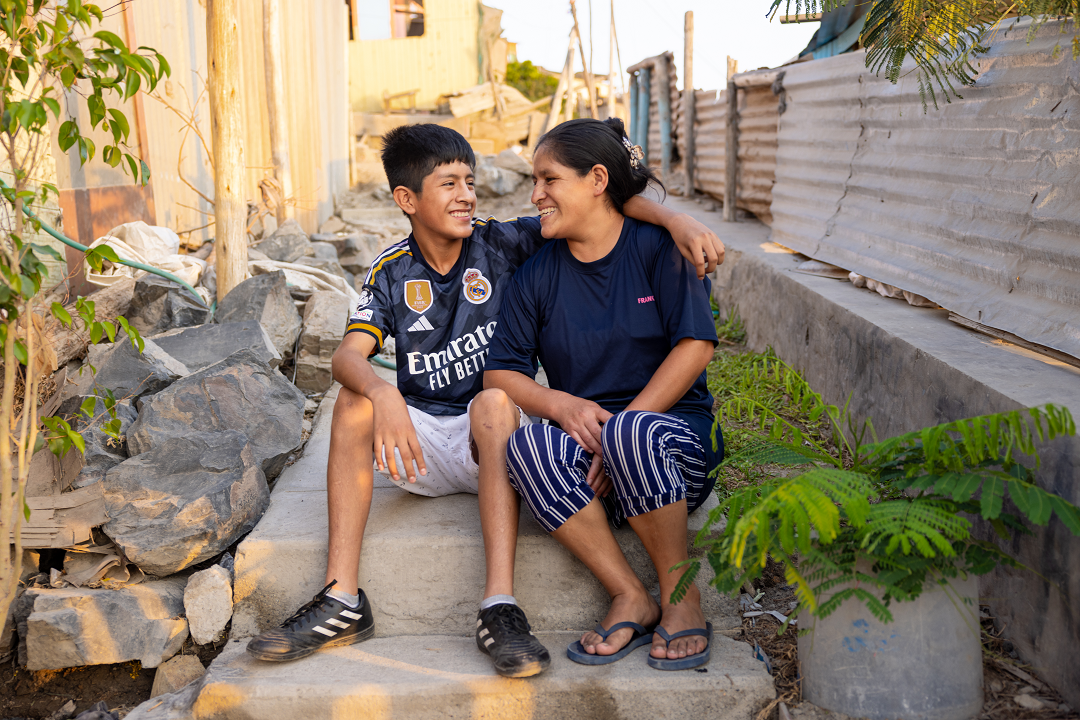
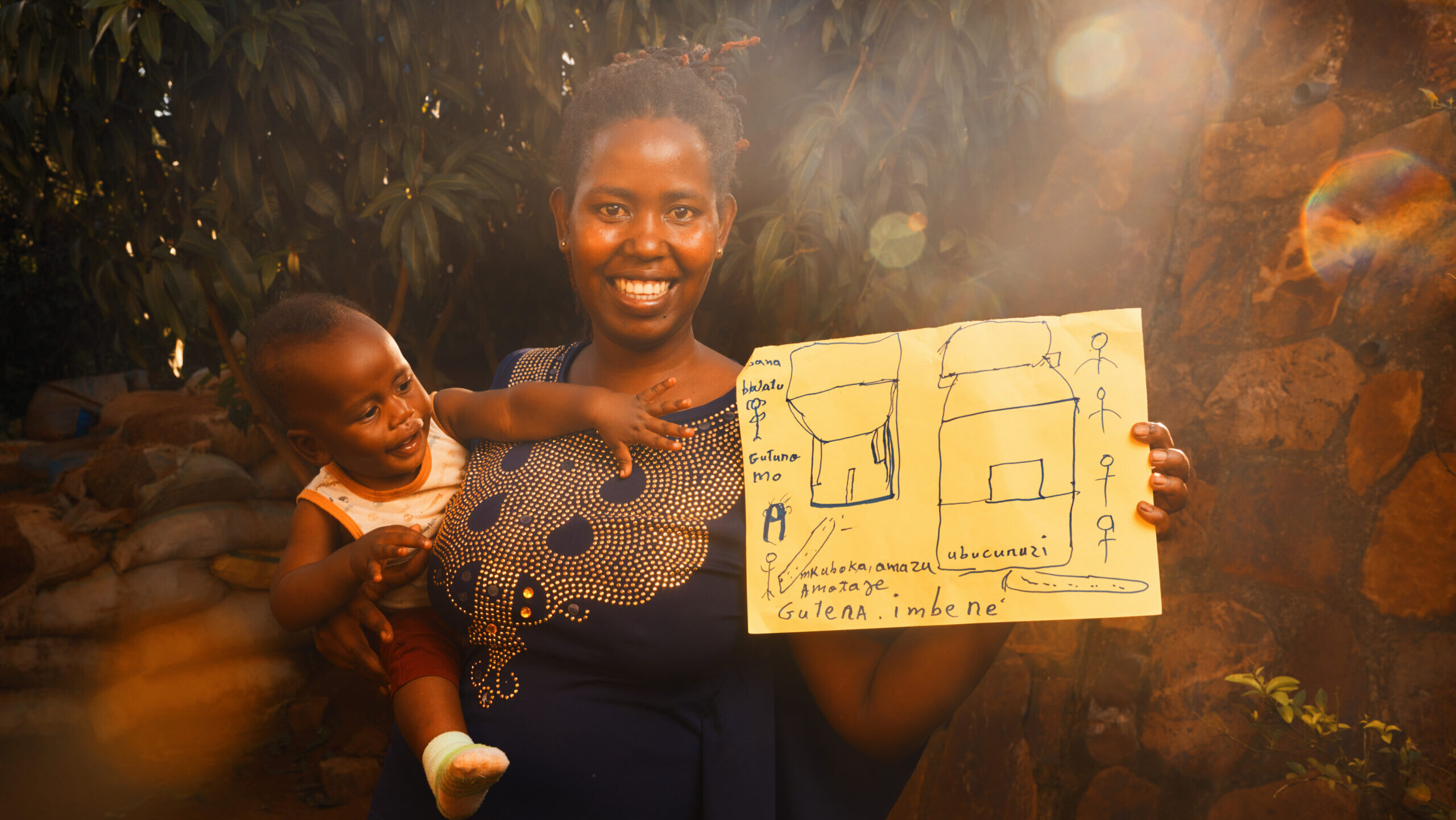
At HOPE International, we’ve seen that one of the best ways to support children living in poverty is empowering their parents. Here’s how investing in mothers and fathers helps them invest in brighter futures for their children and grandchildren. 

Continue Reading…

Liz Fretes is an experienced and talented artisan living in the outskirts of Asunción, Paraguay’s capital city. For 20 years, she’s practiced the craft of Ñandutí (“spider web”) pieces, a traditional Paraguayan lace.

Liz would sell her Ñandutí crafts, but it didn’t bring in enough money to provide for her family as a single mother, including her daughters, grandchildren (one of whom is pictured above), and her elderly father. She would take on odd jobs—cleaning homes and selling goods on the street—to try and make ends meet, but she couldn’t leave her children alone for long and paying for childcare was impossible.

When a doctor diagnosed one of her children with asthma, Liz’s money problems only worsened. Determined to get the necessary medication, Liz took on more physically demanding work despite her chronic back pain—sacrificing her own health to preserve her child’s. “There was no other option,” she remembers. Continue Reading…

At first, Susan Cabanela didn’t want to join the Center for Community Transformation (CCT), HOPE International’s partner in the Philippines. In fact, when her best friend invited her in 2008, Susan refused.

She had been running a small sari-sari (“variety”) store out of her home since 2005—just two basins of goods that she brought out in the morning and carried back inside at night. With all three children in school and her husband’s taxi driving bringing unstable earnings, money was always tight.

Susan was afraid to take a loan. She wondered, what would happen if she couldn’t pay it back?

But her friend persisted in her encouragement, and Susan took the step of faith to take her first loan of $73. Continue Reading…

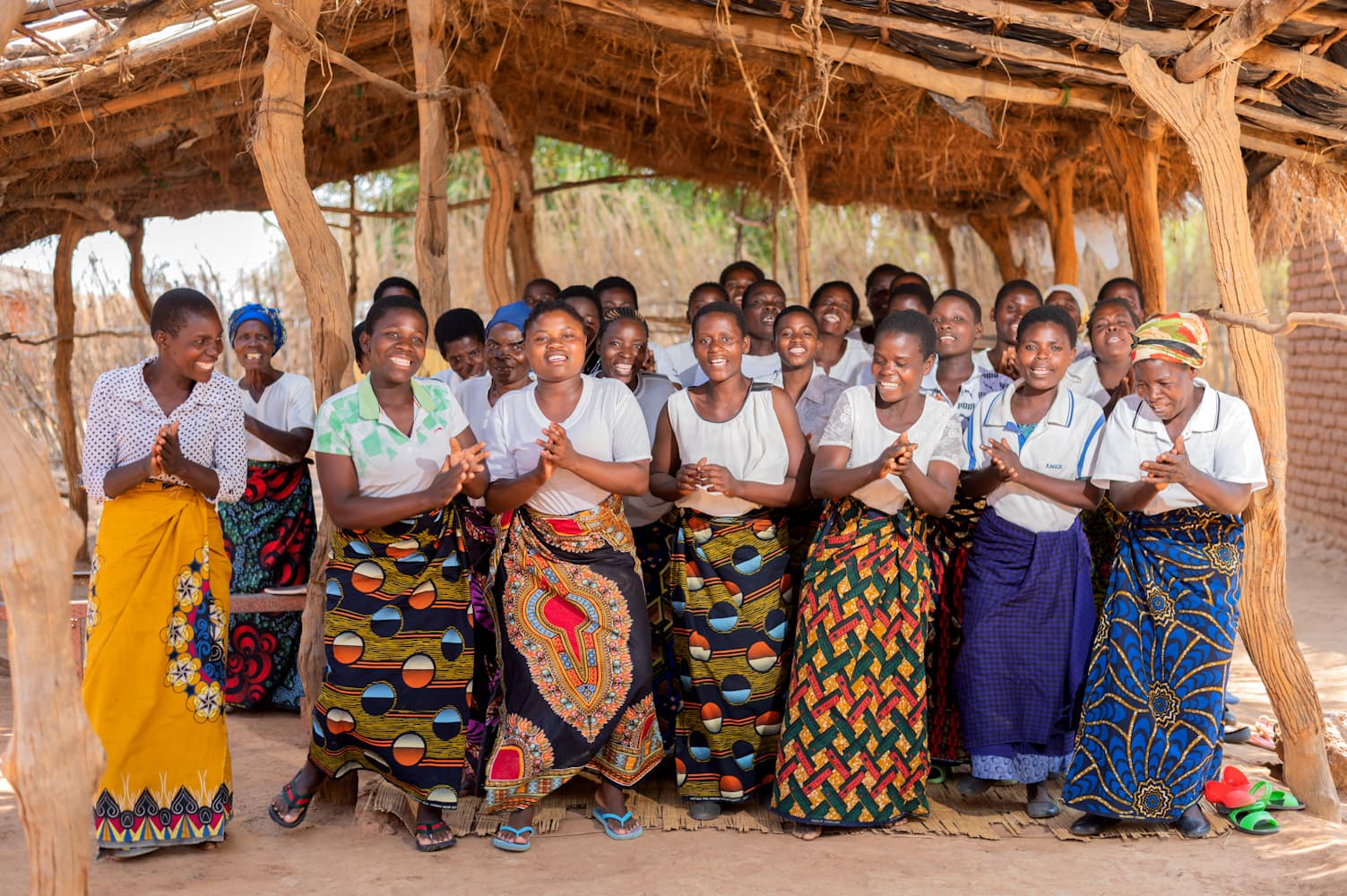
Before joining a savings group in Malawi, Yamikani dreamed of a better life for his children and family. He imagined always having enough to eat, buying new clothes when needed, and helping neighboring children with their school fees—but these dreams always felt just out of reach.

Although Yamikani worked hard selling potatoes and tutoring primary school students, his income often wasn’t enough to make ends meet. “Sometimes my family could only have breakfast and dinner,” he shares. “I couldn’t even manage to buy fertilizer for my farm.”

And if feeding his family was already a struggle, saving money felt impossible. Yamikani knew that creating more streams of income could be the solution, but a lack of startup capital left him stuck.

Continue Reading…

Looking back on 2025, we’re amazed at all God has done. From opening doors for a new partnership in Kenya to inspiring entrepreneurs to share His love in Ukraine amid war, God’s faithfulness has been evident throughout the HOPE network.

Of all the stories we shared, these five were your favorites. We hope they continue encouraging you today and inspire you to give thanks for God’s goodness. Continue Reading…

Tess

As a widow living just outside of Manila in the Philippines, Tess’s dream of one day seeing her two daughters graduate from college seemed just that–a dream. Her husband had died suddenly of a heart attack when she was only 32, leaving Tess the sole provider for their two young girls. 

Tess worked hard in her sari-sari (variety) store to provide for her family’s basic needs, but she knew it wasn’t enough to someday pay for university tuition.   Continue Reading…