







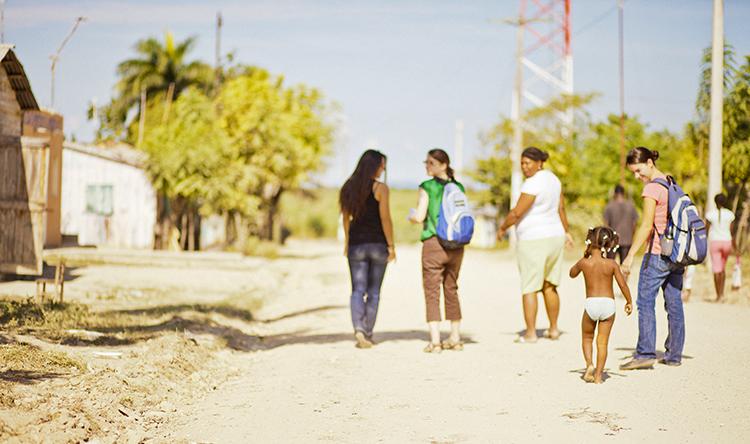
In my six years as a writer on HOPE’s staff, I’ve been privileged to visit HOPE-network staff and clients in regions across the globe, and my trips are typically just a few weeks long. Here are the tricks I’ve learned to help maximize short-term experiences—for both you and those you visit.
1. Aim to be the best guest ever
Imagine the number of details your host is arranging for your visit. Now remember that they’re coordinating them on top of an already busy schedule, and you’ll see that your host is going above and beyond for you. Show your appreciation by being as pleasant and flexible as humanly possible. Gift-giving is also important in many cultures and should be standard in your travel protocol, however small the gift. When visiting American expats, think care package, and with national hosts, bring something related to your home region.
2. Research the dress code
Ask someone who knows the country or research online for cultural- and climate-appropriate dress, and remember that rural areas are often more conservative. For security reasons, it’s also wise to shoot for the “nationally ambiguous” look (avoid American logos, matching group t-shirts, and extremely casual clothing).
3. Venture beyond English
Americans are woefully renowned for being monolingual, but technology has left us with no excuse. Learn basic greetings and how to say your name in the local language—I guarantee your efforts will be received enthusiastically. Consider gaining a basic understanding of common trade languages like Spanish, French, or Swahili.

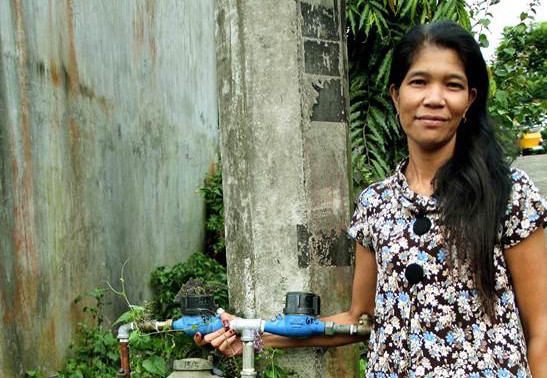


 Or “expert,” I should say. Malu Garcia is at the center of HOPE’s expertise on savings models that can alleviate poverty for the poorest of the poor. She specializes in training and equipping local staff who will be directly training savings groups, and she’s been traveling through Asia with me, assessing and providing additional training for our savings partners here. It’s truly a joy to serve alongside her. Here are a few more details about Malu:
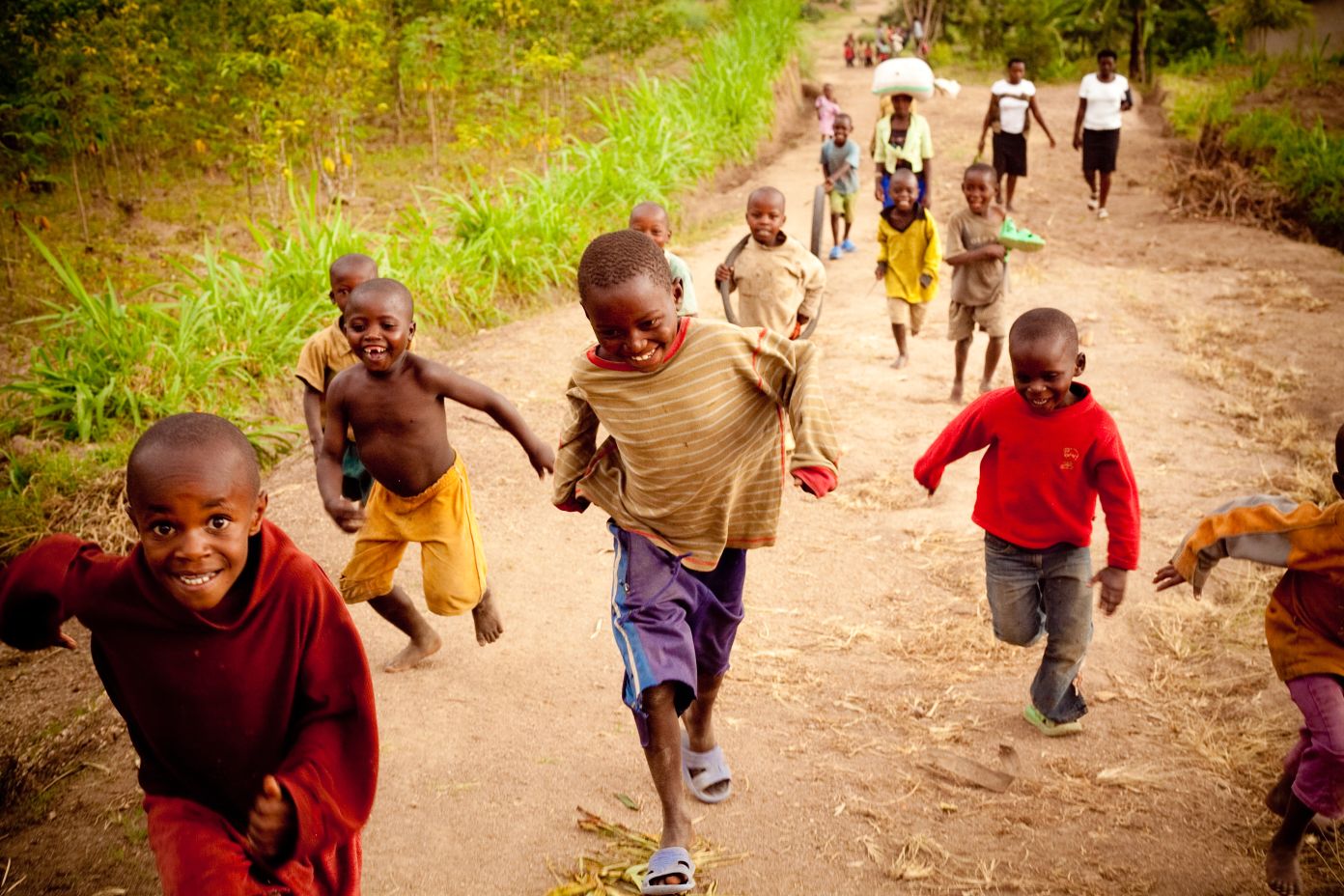 I need to admit something: Sometimes I intentionally look away from photos of children living in poverty. Not the really sad ones – I mean photos of adorable kids with big eyes and bright smiles. And it’s not that I don’t like kids. I love them, actually. I’m that crazy lady who inevitably asks to hold someone’s baby, whether I’m in my parents’ church or a church in a Congolese village, and I’ve been that way since I was about four years old myself (Did you just get a mental image of toddler me carrying a baby half my size?).