





Archives For Nov 30 1999

Home » poverty

If you’ve ever stayed in a vacation rental or hotel, you know the challenge of trying to open an unfamiliar front door. There are key locksets, deadbolts, pin pads, chain locks, card readers—usually with multiple layers of security in place. Maybe you key in the right code, but an engaged deadbolt keeps the door from budging. 

At HOPE International, we see poverty a bit like a locked door. Families are standing at the door and working hard to open it—but it takes unlocking not just one but multiple latches to make it possible to enter. 

Continue Reading…

By Angelo Marasigan, HOPE supporter 

I spent the first 25 years of my life in the Philippines, where limited job opportunities push many people to start their own small businesses to provide for their families.  

But access to business loans—and the chance to make a living—often comes at a high cost. 

In the Philippines, and many other communities around the world, predatory lending is common. With little to no other options available to grow their businesses, many entrepreneurs must borrow at soaring rates of 20% interest per week or more. I’ve seen it up close. I met a lady this past February who was paying 120% annual interest on her loan just to keep her business. 

But for some, the cost can be much more devastating. Someone close to my family once borrowed money the same way. After a while, she got deeper and deeper into debt and couldn’t pay. One day, she went missing and was never found. 

The model of borrowing money from these loan sharks is not designed to help. It’s designed to keep people in oppression.  

Another kind of lending—one meant to promote people’s wellbeing—is needed. And I’d encourage you to read the article by HOPE International’s CEO, Peter Greer, on the difference between predatory lending and HOPE’s holistic approach to microfinance that equips and empowers people.   Continue Reading…

God cares deeply about each person living in spiritual and material poverty—and He calls us to love and serve them. Many of you are already responding to that call, but you might also be wondering: How can I help the next generation care about these same things? 

Maybe you have kids, grandkids, nieces, or nephews who love Jesus and love others, but haven’t yet encountered the realities of global poverty. Inviting them into this conversation can feel daunting. How do you share honestly without overwhelming them? 

Questions are a fantastic place to start. They create space for kids to wonder, process, and respond in their own way. 

Here are a few questions to initiate those conversations in everyday moments, whether on a walk, in the car, or around the dinner table.  Continue Reading…

Children are among the most vulnerable members of any society—but in communities where poverty is present, the stakes are higher. Children are two times more likely than adults to live in extreme poverty. And when kids lack basic needs like food and shelter, it hurts their chances to stay healthy, learn at school, and someday live the lives they dream of (UNICEF). As of 2024, 412 million children are living on less than $3 per day (World Bank).

Yet we know that God cares deeply about kids. The question is, how do we protect them from the impacts of poverty and equip them with what they need to lead healthy, flourishing lives? 

At HOPE International, we believe one of the best ways to care for children living in poverty is to empower their parents. Here’s why investing in mothers and fathers unlocks transformation for their children and future generations.  Continue Reading…

Norlita escaping poverty in the Philippines and economic opportunity

In a remote province of the Philippines, Norlita Escarez and her husband, Philip, collected pebbles and sand for a living.  

Without access to better job opportunities, the couple found it difficult to save money and make ends meet for their family of five.

It’s far too common for Filipino families to struggle this way, with nearly 20 million people in the country living in poverty. The Mangyan tribe, who lives in the mountains near Norlita and Philip, is also struggling. Even amid Norlita’s longing for more financial stability, her heart yearned to minister to her neighbors who lacked access to medical care and nutritious food. 

Despite the reality of this material poverty, Norlita and her husband were joyful in Christ. But would their love for the Lord carry them through financial hardship? Would she ever have the means to minister to the Mangyan tribe? 

Continue Reading…

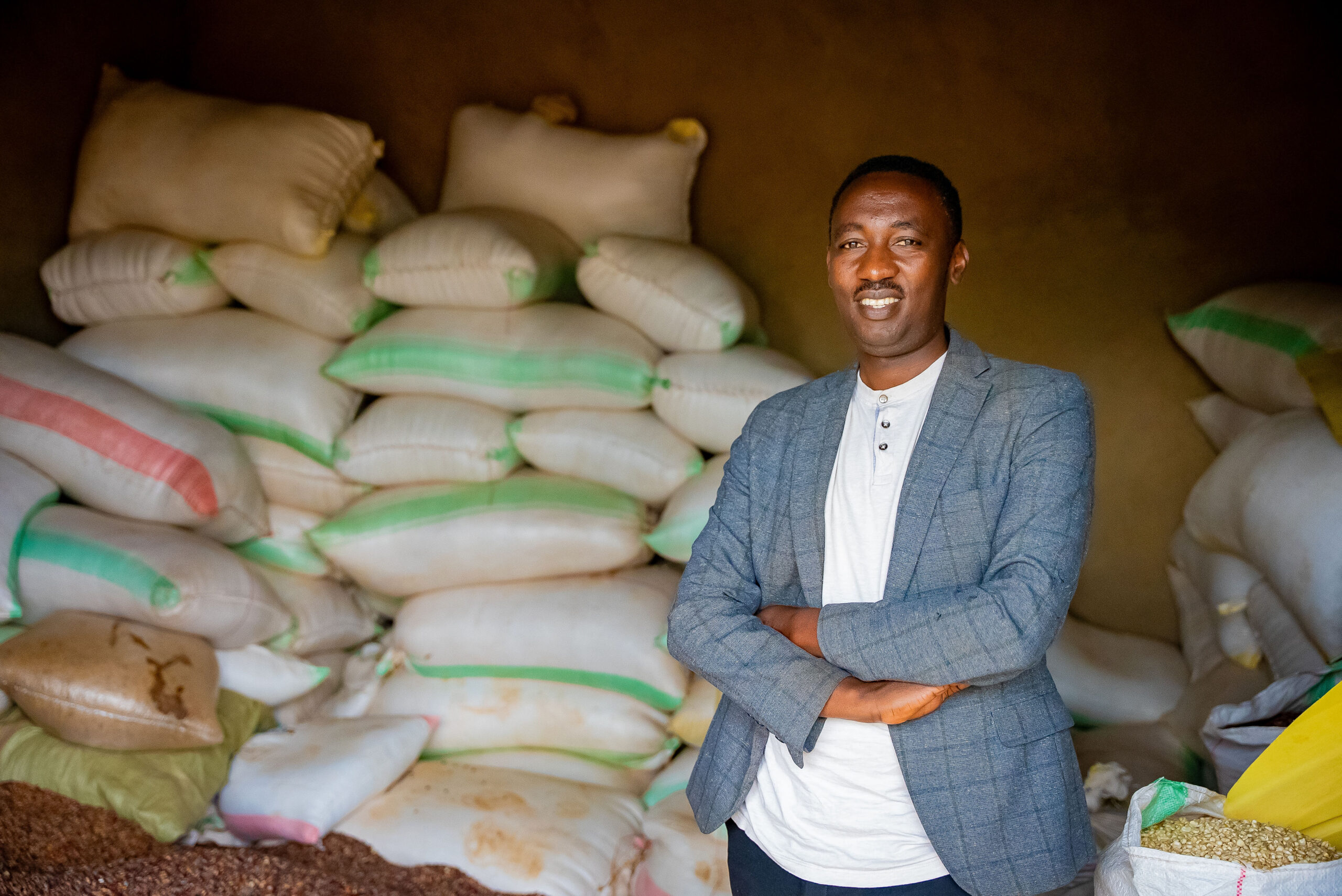
Bosco Nsabimana, Owner of a wholesale crop business in Rwanda. Lifted out of poverty with Urwego bank.

Bosco Nsabimana, a father of eight children and the owner of a wholesale crop business in Rwanda, had big dreams.

He dreamed of expanding his business while empowering his community financially, spiritually, and emotionally, but there was a problem. The only microfinance institutions he was familiar with didn’t align with his ambitions.

Continue Reading…