






When I heard that a whole generation of economic progress could be lost because of COVID-19, what might have been an abstract concept felt personal.
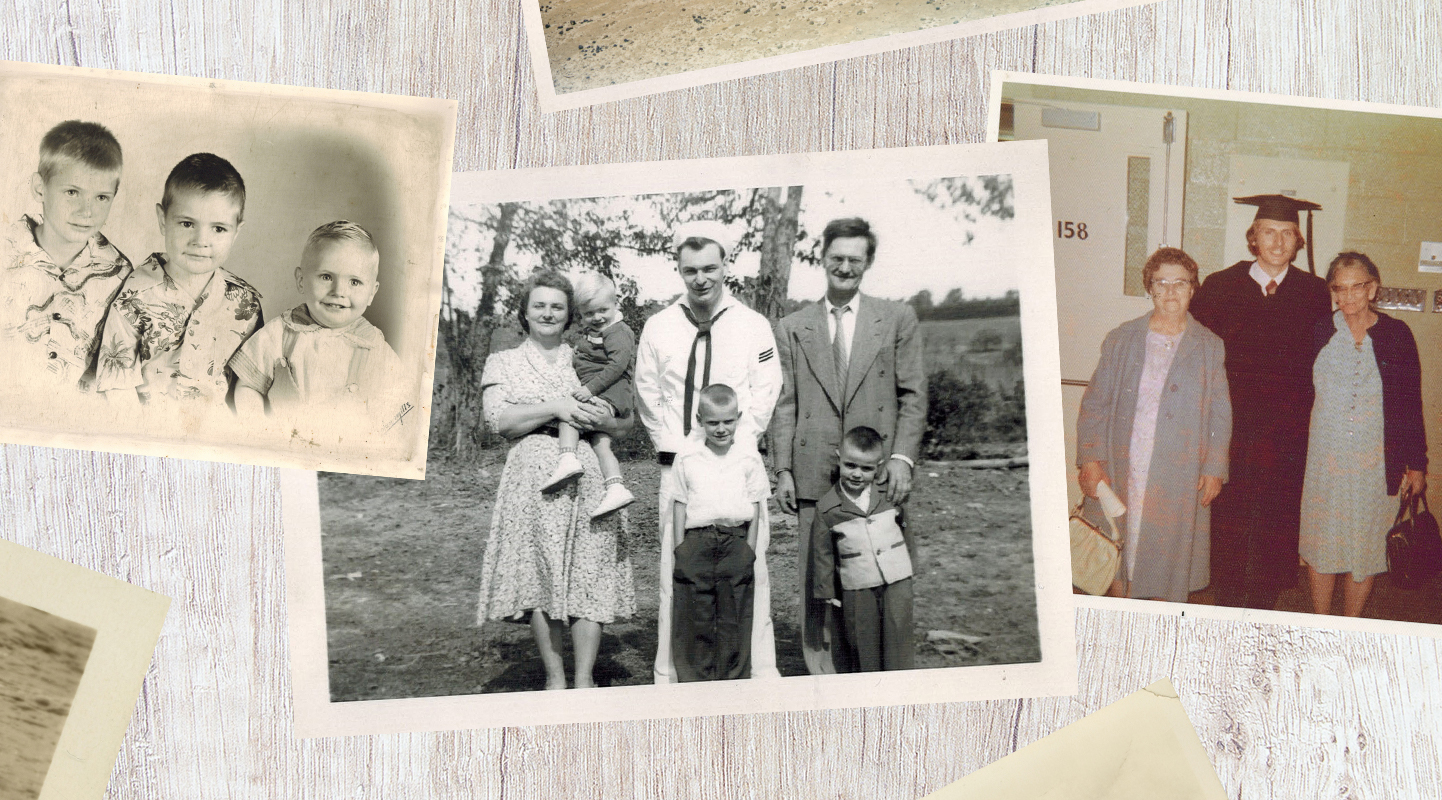
Like kids across the country, my first grader, Addi, spent this spring learning from home. One assignment had her interviewing a family member, and she chose her grandpa: my dad. She carefully printed questions in her notebook—using her best phonetic spelling—and as FaceTime connected, I settled in to hear the stories I remember hearing as a child: my dad and his brothers chasing each other across farm fields, dad knocking an aggressive farm goose senseless in self-defense, his exasperated mother shooing six boys out of her kitchen with a rolling pin—or whatever else was handy.
Addi and I giggled over several of these same stories, but hearing them as an adult, many were tinged with a sadness and struggle I hadn’t remembered. Like when my dad told Addi about his family’s two-seater outhouse, how the brothers competed to be first in line for a weekly bath so the tub water would still be clean, how glasses of water turned to ice on bedside tables in the wintertime, how his parents saved every bit of extra money to buy each boy a second-hand bicycle one Christmas, how they rarely visited a doctor, and how his parents buried their only daughter and a son before their fifth birthdays.
It dawned on me: Not in a faraway country or too long ago, my dad grew up in poverty. Continue Reading…

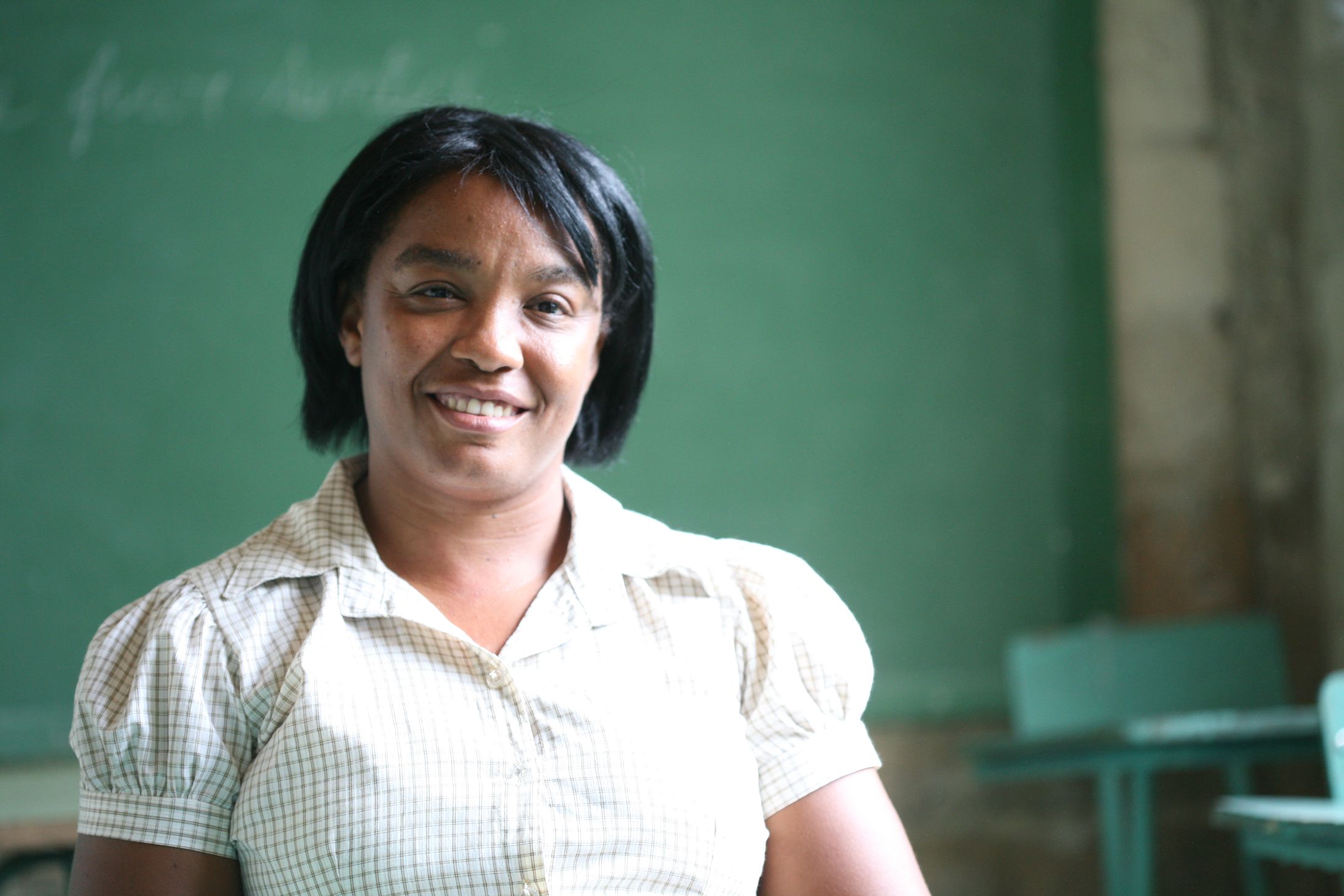 Block by block, Aleyda Torres Constanzo built her Christian school “Light of the Future” in the community of La Romana, Dominican Republic. Progress was slow and measured, but destruction was unhesitating when Hurricane George tore it down in 1998, just two years into the school’s operations. Aleyda’s students finished the school year in a classroom covered by a tarp. “Parents didn’t let that deter them from sending their children here,” she explains. On the contrary, “What they saw was the quality of education and the determination that we had.”